What is Specification Selling? A Guide for Design Trade Suppliers
By Grant Pierrus, founder of Pierrus Agency
Published 10 February 2026
Specification selling is how suppliers get their products written into projects. Here's how to influence the process and build a pipeline.
Specification selling is how suppliers get their products written into projects. Rather than selling directly to end consumers, you're selling to the professionals who choose products on their behalf - interior designers, architects, developers, and specifiers.
For design trade suppliers - furniture, lighting, fabrics, surfaces - specification selling is the business model. Your customer isn't the homeowner or hotel guest. It's the designer who selects your product for the scheme.
Understanding this process, and how to influence it, is the difference between waiting for orders and building a pipeline of specified projects.
How Specification Selling Differs from Traditional Sales
In traditional sales, you persuade the person who'll use and pay for the product. In specification selling, you persuade the person who'll choose it on someone else's behalf.
This changes everything:
The decision maker is a professional.
They evaluate products against technical requirements, aesthetic fit, budget constraints, and professional reputation. They're not buying emotionally; they're specifying defensibly.
The sales cycle is long.
Interior design projects run 12–24 months from concept to completion. The product specified in January might not be ordered until October. Your pipeline visibility is measured in quarters, not weeks.
Relationships compound.
One specifier who trusts you can specify your products across dozens of projects over years. The lifetime value of a good specification relationship far exceeds any single transaction.
Marketing and sales are inseparable.
By the time a specifier is actively choosing products, they often have a shortlist in mind already. Marketing's job is to get you on that shortlist before the sales conversation begins.
The Interior Design Specification Process
Specification in interior design works differently from construction. Building products are often specified on technical performance - fire ratings, acoustic values, structural loads. Interior furnishings are specified on a combination of aesthetics, quality, reliability, and relationship.
What interior designers consider:
- Does this fit the aesthetic direction of the scheme?
- Is the quality appropriate for the project budget and client expectations?
- Can I trust this supplier to deliver on time and handle problems well?
- Have I used them before? What was the experience?
- Have I seen this brand in publications or projects I respect?
Notice that technical specification is only part of the picture. Reputation, relationship, and trust carry significant weight.
Who influences specification:
The interior designer is usually the primary specifier for furniture, lighting, and soft furnishings. But they're not the only voice:
- Architects often lead on fixed elements - flooring, wall finishes, joinery
- Developers may have preferred supplier lists or budget constraints
- Clients sometimes have strong opinions or existing relationships
- Procurement teams on larger projects may negotiate or substitute
Understanding who influences what - and when - helps you target the right people at the right stage.
Timing matters:
Specification decisions happen at specific project stages. Too early, and the project direction isn't clear. Too late, and the shortlist is already set.
For most interior design projects, the sweet spot is during scheme design and design development - when the aesthetic is established but product selections haven't been finalised.
How to Get Your Products Specified
Be a Resource, Not Just a Supplier
Specifiers remember suppliers who make their jobs easier. That means:
- Responsive sampling with quick turnaround
- Clear technical information and specification data
- Honest guidance on lead times, minimums, and limitations
- Helpful problem-solving when issues arise
- High-quality imagery suitable for presentations
The supplier who answers emails promptly, sends samples without hassle, and provides accurate information gets specified again. The supplier who's difficult to work with doesn't - regardless of how good the product is.
Invest in Sampling and Material Libraries
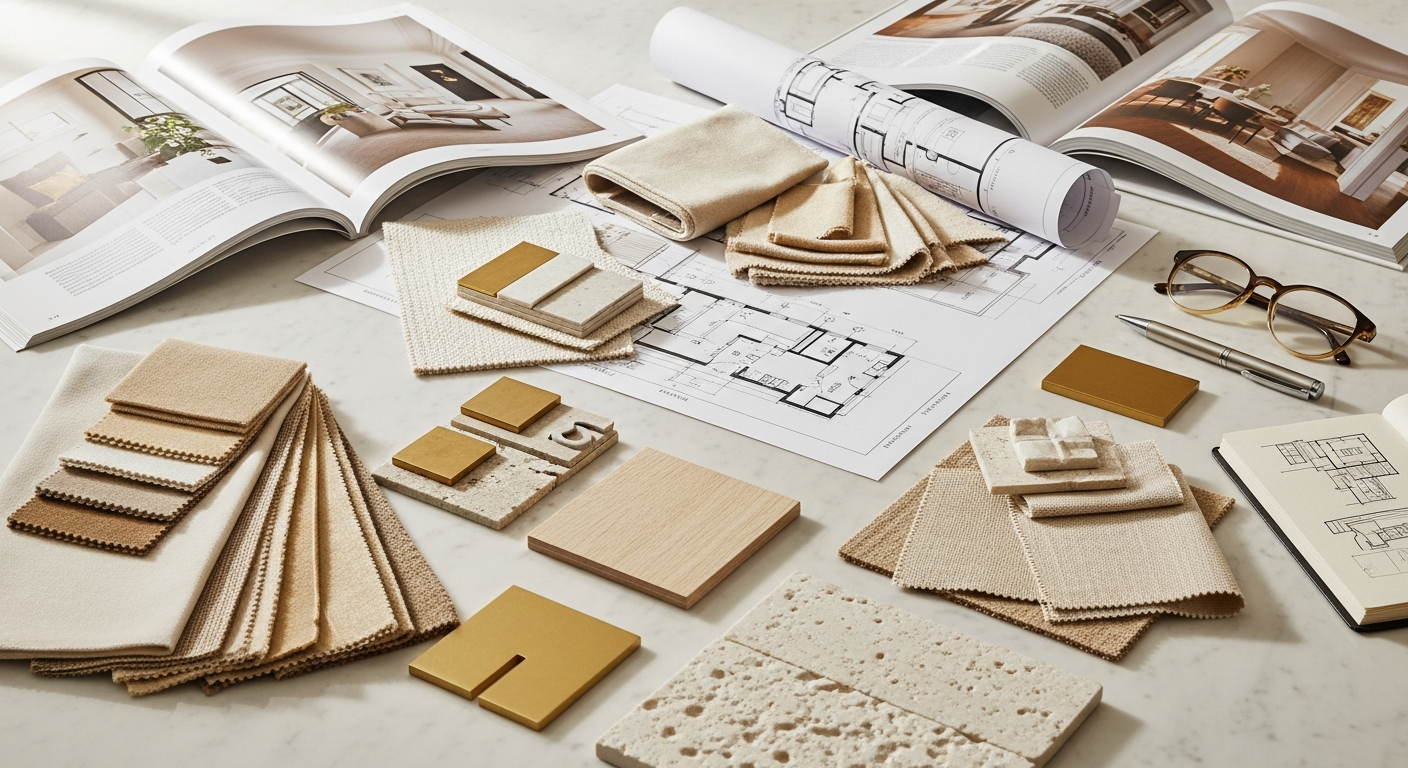
Interior designers discover products by handling them. Physical presence in sample libraries and material centres puts your products in front of specifiers during their research process.
Your samples need to work hard. Include clear information: dimensions, finishes, lead times, minimum orders, pricing guidance. A beautiful sample with no specification data creates friction that costs you projects.
Face-to-Face Still Matters
Trade shows, showroom visits, CPD presentations, and industry events create the relationships that lead to specification. Digital can't fully replace meeting someone, understanding their work, and demonstrating that you're reliable.
CPD seminars work when they offer genuine educational value - not product pitches disguised as learning. Focus on topics specifiers care about: material innovation, sustainability credentials, performance in specific applications.
Build Digital Presence That Supports Specification
Your website serves specifiers researching at 11pm before a deadline. They need:
- High-resolution images suitable for mood boards and presentations
- Downloadable specification sheets and technical data
- CAD files or 3D models where relevant
- Clear sample request process
- Case studies showing your products in completed projects
This isn't about SEO or social media reach. It's about being useful when a specifier is actively considering your product. For a deeper look at how digital and physical marketing work together, see our guide to marketing for trade suppliers in a digital-first world.
Use PR to Build Credibility
Editorial coverage in design publications does more than create awareness. It builds the credibility that makes specification feel safe.
A specifier who's seen your products featured in Elle Decoration, Dezeen, or the Architectural Review has already begun to trust your brand. They're not specifying something unknown - they're specifying something the industry has recognised.
PR is the credibility shortcut. It provides third-party validation that supports your sales team's conversations.
Marketing's Role in Specification Selling
Marketing and sales aren't separate functions in specification selling. Marketing creates the conditions that make sales conversations productive.
Brand awareness becomes shortlist presence.
Specifiers don't consider products they've never heard of. Marketing's job is to ensure your brand is known and respected before a project need arises.
Content supports conversations.
Case studies, technical guides, and project photography give your sales team assets that move specification decisions forward.
PR builds trust at scale.
One editorial feature reaches thousands of specifiers. That's leverage your sales team can't replicate through individual outreach.
The long game matters.
Specification relationships take years to build. Marketing maintains presence and reputation between projects - so you're remembered when the next specification opportunity arises.
The Bottom Line
Specification selling for design trade suppliers is about building the reputation and relationships that get you on shortlists. By the time a specifier is actively selecting products, much of the decision has already been made - based on what they know, who they trust, and what comes to mind.
Marketing's job is to make sure you're the supplier they think of. Sales' job is to make sure the experience confirms that choice.
Get both right, and specification follows.
Explore our Marketing for design trade suppliers services, or start a conversation.